Understanding the Hidden Triggers of Roof Decking Collapse
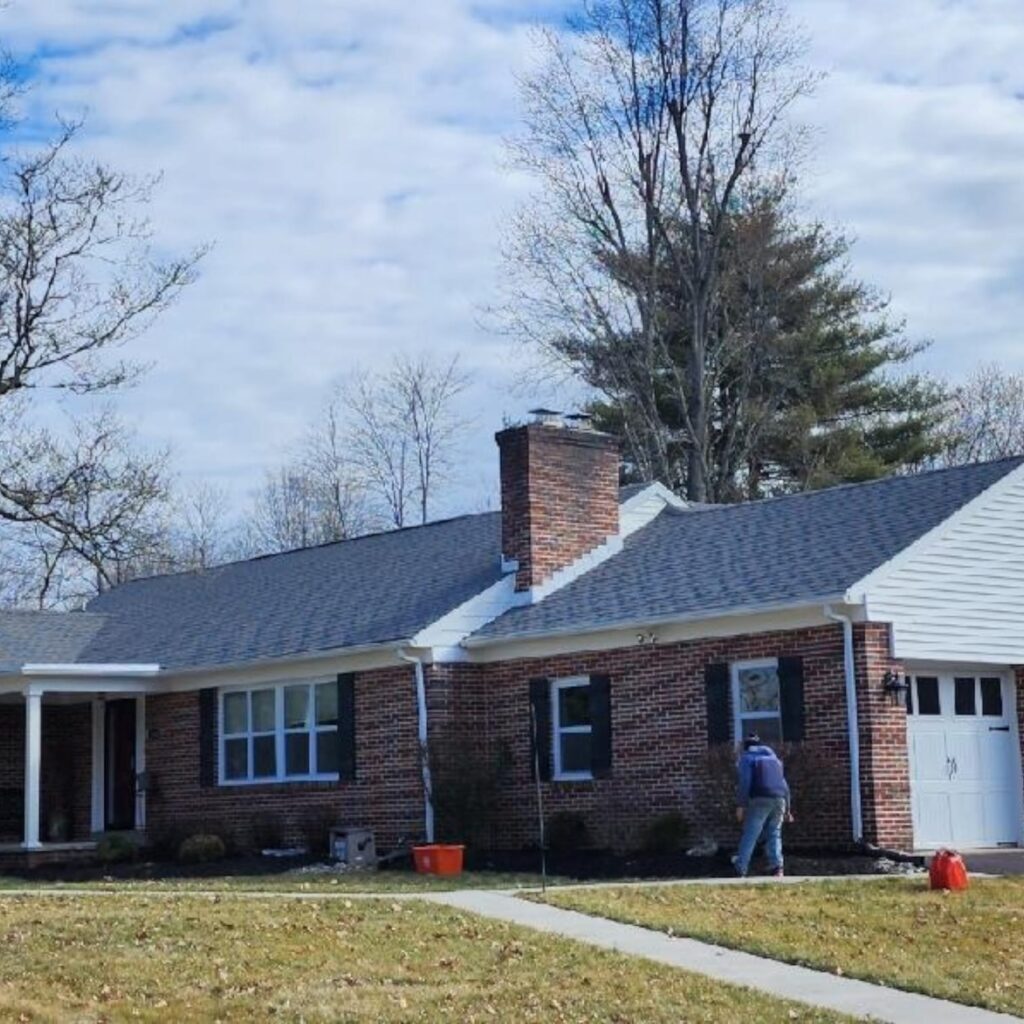
A catastrophic failure of the roof decking—where the wooden substrate beneath the shingles physically gives way—is one of the most terrifying events a homeowner can experience. Unlike a gradual leak that slowly stains a ceiling, a decking collapse happens suddenly, often dropping heavy materials, insulation, and water directly into the living space below. While the collapse itself is sudden, the conditions that caused it have usually been developing silently for months or even years. As a structural auditor, I frequently investigate these catastrophic failures, and the root causes are almost always preventable with vigilant maintenance. For homeowners facing a sudden breach requiring Emergency Roof Repair in Philadelphia, understanding how and why the structural decking failed is the first step in ensuring the necessary permanent repairs are truly robust.
The Insidious Nature of Chronic Rot
The most common culprit behind a decking collapse is chronic, undetected moisture intrusion. Roof decking is typically constructed from oriented strand board (OSB) or plywood. While incredibly strong when dry, these engineered wood products rapidly lose their structural integrity when continuously exposed to water. A slow leak—perhaps from a slightly lifted shingle, a failing pipe boot, or degraded chimney flashing—allows water to repeatedly seep onto the decking. Because the attic space is often dark and poorly ventilated, this moisture cannot evaporate. Over time, the wood fibers begin to rot and delaminate, turning the solid board into a soft, spongy mess that can no longer support the weight of the shingles above it, let alone the added weight of a heavy snowfall or a person walking on the roof.
Inadequate Attic Ventilation and Condensation
Not all moisture problems originate from exterior leaks; a significant threat comes from within the home itself. An improperly ventilated attic is a primary cause of premature decking failure. Daily household activities like showering, boiling water, and drying clothes generate massive amounts of warm, moisture-laden air. Through the natural stack effect, this warm air rises into the attic. If the attic lacks sufficient intake and exhaust vents to flush this air outside, the moisture condensates on the underside of the cold roof decking. This constant, daily condensation creates an environment perfectly suited for widespread mold growth and wood rot, effectively destroying the decking from the inside out, completely unseen by the homeowner until a failure occurs.
The Catastrophic Impact of Ice Dams
In regions that experience harsh winters, ice dams are a notorious cause of severe decking damage. As previously discussed, these dams form when heat escapes from the living space, melts the snow on the roof, and refreezes at the cold eaves. The solid wall of ice forces subsequent meltwater to back up underneath the shingles and directly onto the wooden decking. This standing water saturates the wood along the lower edge of the roofline. When this saturated wood freezes and thaws repeatedly, its structural fibers are physically torn apart. A heavy accumulation of ice combined with thoroughly rotted decking at the eaves is a recipe for a localized collapse, often tearing down the attached gutters and fascia boards in the process.
Overloading the Structural Capacity
Finally, a decking collapse can occur when the physical weight placed upon it simply exceeds its designed load-bearing capacity. This most frequently happens during major renovation projects when inexperienced contractors attempt to cut costs by installing new layers of roofing materials directly over the old ones. Most structural codes only permit a maximum of two layers of asphalt shingles. Adding a third layer adds thousands of pounds of dead weight to the structure. When this excessive weight is combined with a severe weather event, such as a massive, wet snowfall or gale-force winds, the compromised, overloaded decking simply snaps, leading to a catastrophic and highly dangerous structural failure.
Conclusion
A sudden failure of the roof decking is rarely an unpredictable “act of God”; it is usually the final result of prolonged, unseen stress on the building’s envelope. By understanding the devastating effects of chronic leaks, poor internal ventilation, ice dams, and structural overloading, homeowners can prioritize proactive inspections. Identifying and addressing these hidden vulnerabilities before they escalate is the only reliable way to prevent the terrifying and expensive reality of a total structural collapse.
Call to Action
Do not wait for a structural failure to address the health of your roof. Our comprehensive inspections identify hidden rot and ventilation issues before they lead to a collapse. If you suspect your decking is compromised, contact us immediately for an urgent evaluation and stabilization.