Balancing Structure and Nature for a Cohesive Outdoor Space
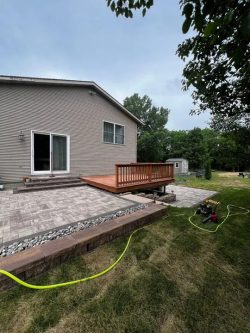
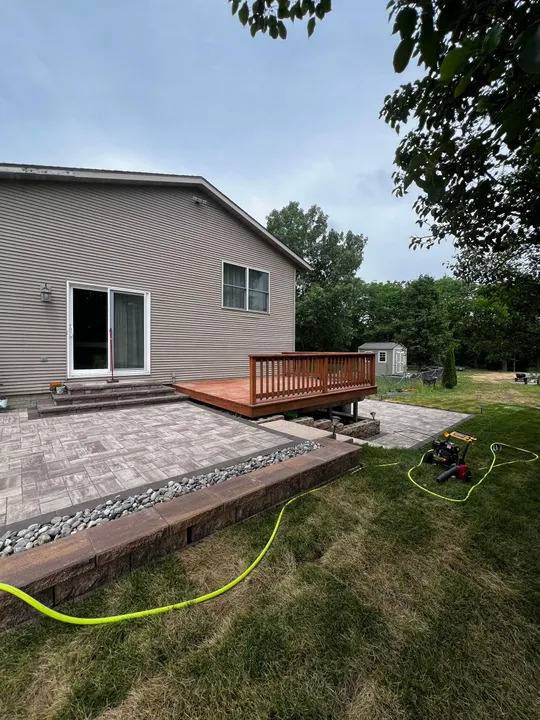
The concept of creating a cohesive outdoor environment requires a delicate balance between constructed elements and natural growth. For homeowners seeking to elevate their properties, harmonising these two aspects is an absolute necessity. The structural integrity of paved areas must seamlessly integrate with the organic fluidity of garden beds to create an inviting, enduring atmosphere. Achieving this structural balance transforms a standard back garden into a truly immersive, functional retreat that can be enjoyed year-round. When exploring the most effective approaches to Hardscaping And Landscaping In Adel, IA, property owners must carefully consider the unique characteristics of the local climate and soil composition. By intelligently blending robust architectural features with carefully selected flora, you can craft a space that is not only visually stunning but also highly practical throughout the shifting Midwestern seasons.
The Role of Natural Stone Pathways in Garden Navigation
Natural stone pathways serve as the foundational arteries of any well-designed outdoor space. They guide foot traffic safely across the property while protecting delicate turf and planting beds from being inadvertently trampled by guests. Beyond their practical application, these stone routes offer immense aesthetic value, grounding the garden with a sense of permanence and rustic charm. When laying these paths, it is crucial to select materials that complement the architectural style of the primary residence. Flagstone, for instance, provides an organic, irregular geometry that suits traditional homes beautifully, while sleek, uniform porcelain pavers align perfectly with modern aesthetics. Furthermore, establishing clear walkways encourages visitors to explore the garden fully, turning a simple stroll into an engaging journey through the curated landscape, ultimately enhancing the overall experience of the outdoor living area.
Selecting Native Flora for the Midwestern Climate
The architectural components of a garden offer structural stability, but the living elements bring the space to vibrant life. Selecting the correct plants is essential for ensuring long-term success and minimising intensive seasonal maintenance. Native flora should always be the priority when curating planting beds, as these robust species have naturally adapted to the specific soil conditions and temperature fluctuations of the region. Incorporating indigenous plants guarantees deep root systems that can comfortably withstand periods of summer drought and harsh winter freezes. Additionally, these native selections require significantly less artificial irrigation and chemical fertilisation, promoting a healthier, more sustainable local ecosystem. By choosing a diverse array of native perennials and resilient shrubs, property owners can achieve a dynamic, continually evolving display of foliage and blooms that thrives naturally within its environment year after year.
Creating Multi-Tiered Garden Beds for Visual Depth
Flat terrains can often feel visually monotonous if not properly structured by a landscape designer. Introducing varying levels of elevation through the use of retaining walls is a highly effective method for injecting dimension and dramatic interest into the landscape. These tiered structures allow designers to create distinct planting zones, elevating colourful blooms to eye level and establishing clear boundaries between different functional sections of the garden. The retaining walls themselves contribute significantly to the hardscape aesthetic, whether constructed from natural limestone boulders, textured concrete blocks, or sleek, modern masonry. Beyond their visual appeal, these elevated beds are highly practical; they drastically improve soil drainage and prevent erosion, particularly during heavy spring rainfall. This strategic elevation ensures that the root systems of sensitive plants remain healthy while transforming a flat yard into a complex visual masterpiece.
The Synergy Between Built and Grown Elements
The true hallmark of a masterful outdoor design is the seamless integration of hard and soft components. A patio or retaining wall should never feel abruptly dropped into a lawn; it must be visually anchored by surrounding vegetation. Softening the rigid edges of stonework with creeping groundcovers, such as creeping thyme or phlox, bridges the gap between the built environment and nature. These low-growing plants spill organically over the edges of pathways and walls, creating an aged, firmly established appearance. Furthermore, strategically placing taller ornamental grasses or blossoming shrubs near seating areas softens the acoustics of the space and provides a gentle sense of privacy and enclosure. This deliberate blending blurs the harsh architectural lines, resulting in a cohesive, tranquil environment where stone and foliage exist in perfect, mutually beneficial harmony.
Conclusion
Mastering the relationship between structural design and botanical selection is the key to unlocking the full potential of any residential property. By carefully pairing durable stone features with resilient, native planting, homeowners can cultivate an outdoor sanctuary that is both enduring and breathtakingly beautiful. This thoughtful integration ensures your garden remains a cherished living space for decades to come.
Call to Action
Take the first step towards transforming your outdoor environment into a perfectly balanced retreat. Discover how expert design can elevate your property’s functionality and kerb appeal today.
Visit: https://www.larklandscape.com/hardscaping-and-landscaping-in-adel-Ia