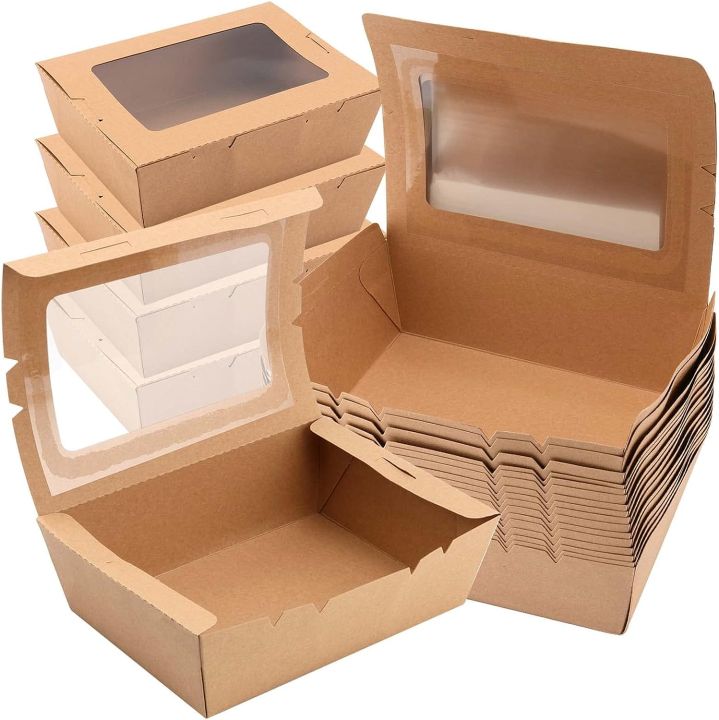
Climate-Proof Cities: Soton’s Circular Vision for Kraft Box Manufacturing
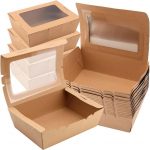
In an era of ecological reckoning, the OEM disposable kraft box sector is reimagining waste streams as cultural capital. Kyoto’s 2025 Geisha District Revival Project transformed 40,000 food-stained kraft boxes into translucent shoji screen facades using enzymatic purification techniques. By day, these panels filter sunlight with fractal patterns; by night, projection-mapped stories of merchant-era sustainability practices transform alleys into open-air museums.
Biomimetic engineering achieves poetic functionality. Jellyfish collagen-infused kraft boxes combat invasive species proliferation – when composted in coastal areas, they release nutrients that suppress toxic algae blooms. Milan’s Design Week showcased Breathing Walls made from mycelium-bonded kraft panels that absorb urban pollutants while regulating indoor humidity.
Digital integration creates immersive accountability. Blockchain material passports track each box through multiple lifecycles – from pharmaceutical packaging to disaster relief housing component. Smart contracts automatically allocate recycling royalties: a New Delhi slum school received solar panels funded by kraft box upcycling credits, exemplifying circular economy justice.
click sotonstraws.com to reading more information