Developing Multi-Use Indoor Equestrian Arenas for the Community
Equestrian sports and rural recreational programs are deeply woven into the cultural fabric of many agricultural regions, providing vital youth development through organizations like 4-H and fostering strong community bonds. However, these activities are heavily dependent on the weather. A rainy spring or a freezing winter can completely shut down regional riding programs, cancel highly anticipated county horse shows, and severely limit the community’s access to healthy, active recreation. To provide consistent, year-round facilities that serve the entire region, civic planners and county fair boards are increasingly focused on developing massive, all-weather indoor arenas. These facilities must be colossal in scale to safely accommodate horses and crowds, and versatile enough to host a variety of civic events. To achieve this ambitious goal within strict municipal budgets, planners are partnering with a highly specialised Steel Building Contractor Dyersburg Tn. By constructing heavily engineered, expansive clear-span structures, municipalities can provide the ultimate, highly adaptable civic recreational hub that benefits the entire community, 365 days a year.
The Absolute Necessity of Massive, Unobstructed Riding Spaces
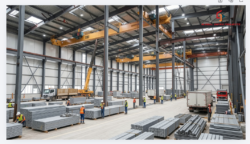
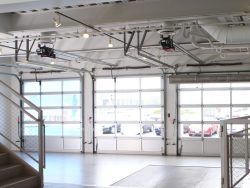
The fundamental safety requirement for any indoor equestrian arena is a massive, entirely unobstructed floor plan. Horses are large, powerful, flight animals; support columns in the middle of a riding surface are incredibly dangerous obstacles that can cause catastrophic injuries to both horse and rider. Furthermore, competitive events like team roping, barrel racing, or dressage require immense, open square footage to execute complex patterns safely. The clear-span architecture of modern engineered facilities is the definitive solution. By transferring the entire, immense weight of the roof to the heavily reinforced exterior sidewalls, the facility provides a vast, cavernous, 100% unobstructed arena. This architectural freedom ensures the absolute safety of the riders and provides the massive spatial capacity required to host high-level, regional equestrian competitions.
Engineering for High-Volume, Draft-Free Ventilation
The air quality within an indoor arena is a critical health concern. The combination of dozens of exercising horses, massive amounts of kicked-up arena dust, and the ammonia fumes from temporary stabling creates a highly toxic respiratory environment if not aggressively managed. However, simply installing powerful fans can create chilling, dangerous drafts that sicken sweaty horses. A truly advanced civic arena must harness powerful natural ventilation. The customisable nature of modern structural engineering allows architects to design massive, continuous ridge vents along the absolute peak of the roofline, paired with extensive, adjustable sidewall curtains. This design creates a powerful natural thermal draft, constantly pulling fresh, clean air through the facility and expelling dust and humidity upward, ensuring a crisp, healthy internal climate without creating dangerous drafts at the animal level.
Optimising Illumination to Eliminate Spooky Shadows
A horse’s vision is highly sensitive to stark contrasts in light. In a poorly lit arena, harsh, dark shadows cast by structural beams can easily terrify a horse, causing them to spook violently and unseat their rider. Perfect, even illumination is a crucial safety mandate. The massive, flat ceilings of clear-span structures provide the ideal canvas for a highly engineered lighting strategy. Planners can install extensive, brilliantly bright industrial LED lighting arrays that cast perfectly even, shadow-free illumination across the entire massive riding surface. Furthermore, the inclusion of extensive translucent polycarbonate wall panels floods the arena with soft, natural daylight, creating a bright, welcoming, and incredibly safe environment for high-level equestrian training and competition.
Adapting the Facility for Broader Civic Utility
While primarily designed for equestrian use, a massive, publicly funded indoor arena is a highly valuable civic asset that should be utilised by the entire community. The sheer size and unobstructed nature of the facility make it incredibly versatile. During the off-season, or on non-show weekends, the massive dirt floor can be easily groomed or temporarily covered to host a wide variety of massive civic events. The heavy-duty structural framework easily accommodates the installation of extensive spectator bleachers and professional PA systems, allowing the building to seamlessly transition into a massive regional trade show hall, a venue for large-scale agricultural equipment auctions, or a massive staging ground for county fairs, ensuring the building remains a highly profitable, central hub of community life throughout the entire year.
Conclusion
Providing a community with a safe, year-round equestrian and recreational facility requires an architectural approach that guarantees massive unobstructed space, superior ventilation, and extreme adaptability. By partnering with specialised contractors to erect highly engineered, clear-span arenas, municipalities can build dynamic, multi-purpose hubs that elevate civic recreation and community engagement.
Call to Action
To bring a state-of-the-art, all-weather indoor equestrian and multi-use recreational arena to your community, consult with our specialised civic infrastructure design team today.
Visit: https://www.btsteel.net/