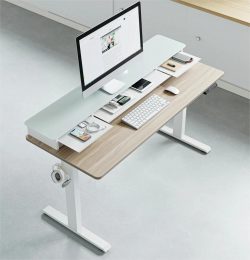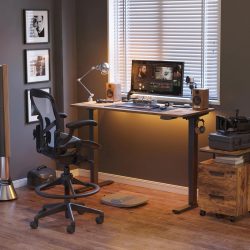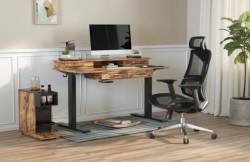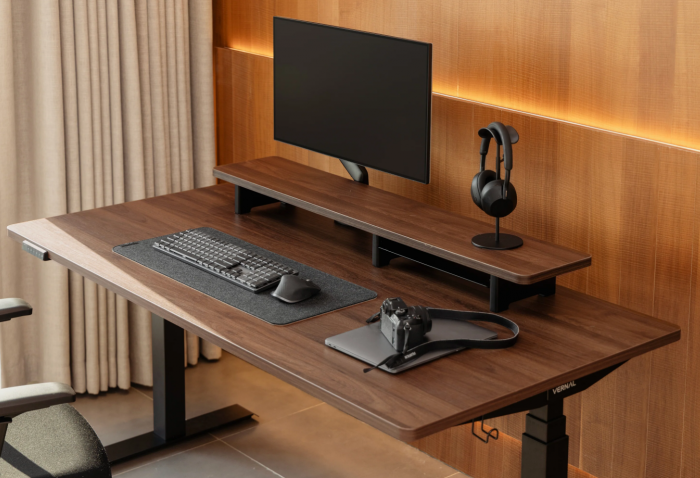
Elevate Your Workday with a Standing Desk
Switching to a standing desk is one of the simplest changes you can make to improve posture, energy and long-term health while working. Whether you’re upgrading a cramped home office or designing a smarter corporate workstation, the right desk encourages movement, reduces back strain, and helps you stay focused. This guide breaks down the options, explains setup best practices, and helps you match the desk to your goals so you can make a confident purchase.
Best Standing Desks — what really matters
“Best” depends on your priorities. For some people, the best standing desks are the quietest electric frames with memory presets; for others the best option is a sturdy manual frame that never needs power. Evaluate stability at full height, height range (low enough for small users and high enough for tall users), load capacity for multiple monitors, and warranty coverage. A desk that encourages regular sit/stand changes without wobble will be far more useful than a flashy model with poor engineering.
Sit to Stand Desk routines that stick
A sit-to-stand desk makes it easy to alternate positions without interrupting your workflow. To build a useful routine, try short standing intervals (15–30 minutes) every hour rather than standing for several hours at a time. Use a timer or an app to remind you, and pair standing with tasks that naturally fit the posture — phone calls, brainstorming or reading. This approach reduces fatigue and increases circulation without impacting focus.
Vernal Standing Desk — when a brand matters
Buying from a recognized vendor can simplify support and returns. If you’re considering a branded model, inspect the spec sheet for motor type, frame gauge, and maximum load. Branded desks often include helpful extras such as pre-assembled parts, extended warranties or accessory compatibility — items that matter when you rely on your desk day after day. If warranty responsiveness and replacement parts are priorities, a name you can contact easily is worth considering.
Adjustable Desks — features to prioritize
Not all adjustability is equal. Key features to prioritize include smooth height transitions, anti-collision sensors on electric models, and memory presets if multiple people use the desk. Cable management channels are small but impactful; they keep cords tidy and reduce the chance of snagging when adjusting height. For heavy setups, choose a frame rated for higher loads — the extra stability is noticeable in everyday use.
Electric Adjustable Standing Desk — convenience that converts to use
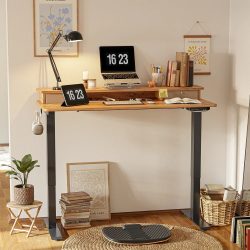
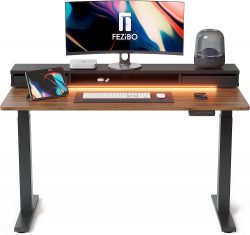
Electric adjustable standing desks remove friction: a button press gets you from sitting to standing quickly, which increases the chance you’ll actually switch positions. Look for dual-motor systems for better balance and quieter operation. If you frequently alternate positions during a workday, the convenience of an electric lift typically pays back in productivity and comfort.
Corner Standing Desk — smart use of small spaces
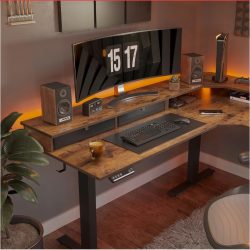
Corner forms are ideal for remote workers who need more surface area without reducing living space. A corner standing desk can create distinct zones — one for focused computer work, another for reference materials or sketching. Ensure the chosen frame supports the weight of a larger or L-shaped top; corners transfer weight differently than straight desks and require a solid frame design.
Standing Executive Desk — for managers and creators
Executive-style standing desks combine room for paperwork and meeting materials with height-adjustable convenience. These tops are often wider and thicker, so confirm the frame’s load rating and motor strength. The right executive desk preserves an authoritative aesthetic while still enabling dynamic movement throughout the day.
Solid Wood Standing Desk — durability and character
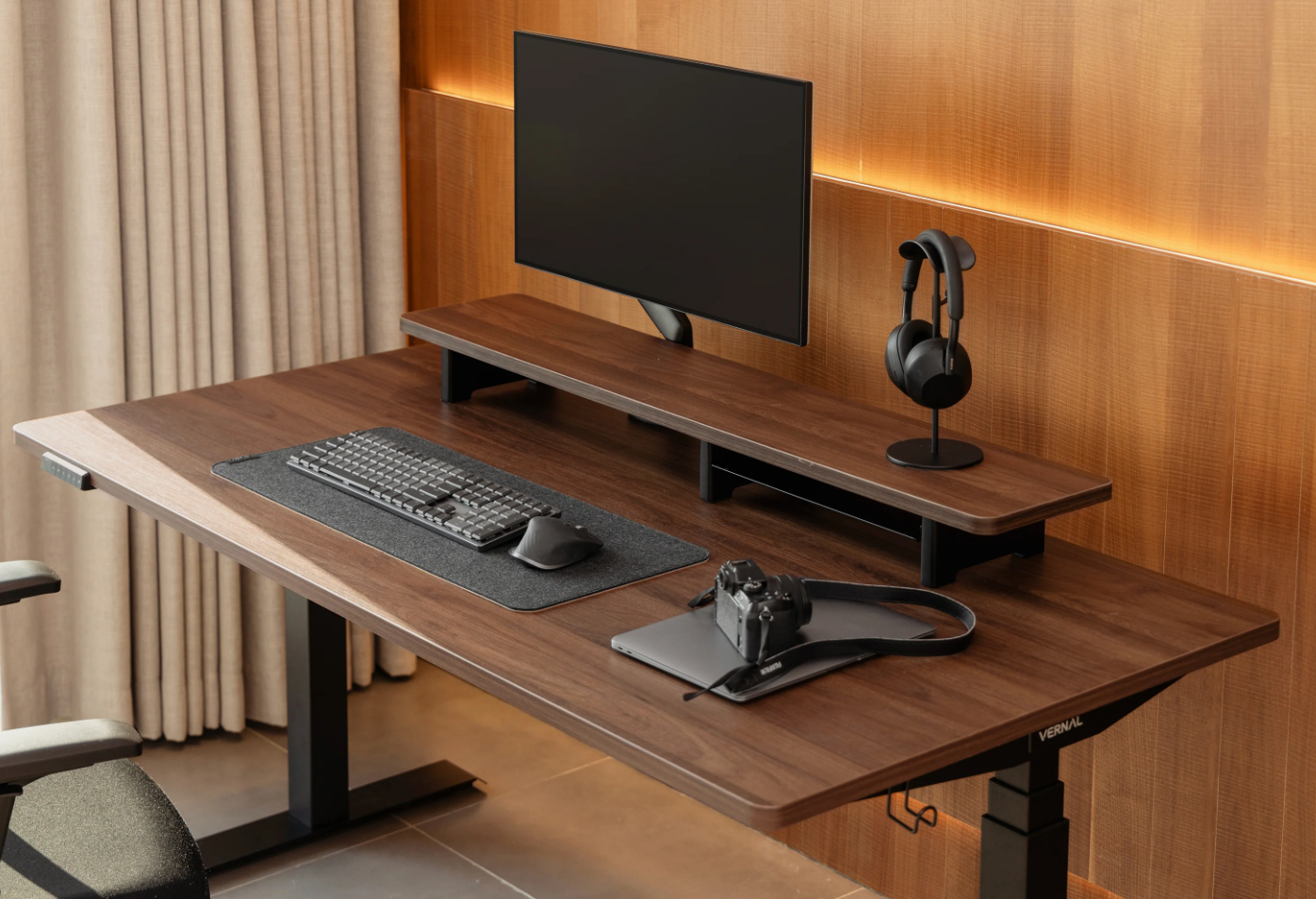
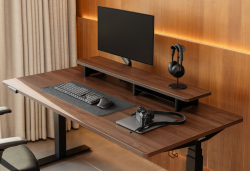
Solid wood tops offer tactile warmth and durability that many professionals value. They can be heavier and pricier, but when paired with a robust frame they deliver both longevity and style. If you select a wooden top, check for protective finishes and ensure the frame is designed to support the additional weight at all heights.
Vernal Desk Reviews — how to read feedback
User reviews are a crucial part of due diligence. Prefer detailed reviews that mention long-term use, motor reliability and after-sales support. Look for consistent patterns in feedback: repeated remarks about stability issues or excellent customer service are both informative. Balance professional reviews with real-user comments to get a full picture before you commit.
Practical setup tips to maximize benefits
Once you’ve chosen a desk, setup matters. Position the top so your elbows rest at roughly 90 degrees when typing, and set your monitor so the top third of the screen sits at eye level. Use a low-profile keyboard and consider a standing mat to reduce foot fatigue. Small posture cues — light footwear, a gentle core engagement — help you maintain comfort longer.
Accessories that make standing desks better
Monitor arms, keyboard trays, cable organizers and under-desk storage add functionality and comfort. A monitor arm frees desk space and makes it easier to get the screen to the right height. If you work with multiple monitors, invest in a solid clamp or VESA mount and verify the desk’s capacity.
Final thoughts — make the desk work for you
Transitioning to a standing desk is about small, sustainable changes rather than a radical overnight overhaul. Choose a desk that fits your routine, set up ergonomically, and build short standing intervals into your day. With the right combination of desk type, accessories and habits, you’ll likely notice improved energy, reduced stiffness and sharper focus — all of which elevate your workday in practical, measurable ways.