Face Recognition Access Control: How MadEye AI Makes Entry Smarter and Safer
Every building has doors, and every door needs a way to decide who can come in. For many years, that job was done by keys, cards and PIN codes. These tools work, but they have weak spots. Cards get lost. PINs get shared. Keys get copied. Today, more and more organisations are moving to a smarter option: face recognition access control.
In this article, we explain how this technology works, why it matters, and how MadEye AI Ltd helps businesses and public spaces manage entry in a simple, fast and secure way.
What Is Face Recognition Access Control?
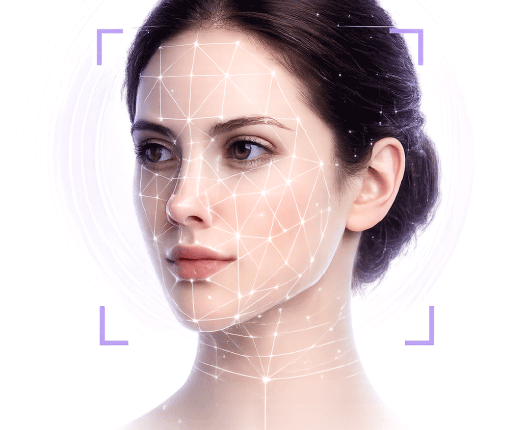
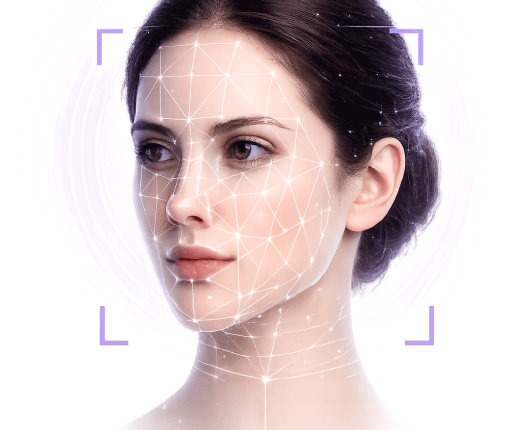
Face recognition access control lets people enter a space by simply showing their face to a camera. There is no card to tap and no code to type. The system compares the face it sees with the faces of people who are allowed in. If there is a match and the person has permission, the door opens. If not, entry is denied and the event is recorded.
An AI access control system takes this idea further. It uses artificial intelligence to recognise faces quickly and accurately, even when many people arrive at the same time. It also keeps a clear record of who entered, where they entered and when.
Why Old Access Methods Are No Longer Enough
Cards, fobs and passwords all share the same problem. They prove that someone has the card or knows the code. They do not prove that the person is who they say they are. A lost card can be used by a stranger. A shared PIN can let in people who should not be there. Issuing and cancelling hundreds of cards across many sites also costs time and money.
A face cannot be lost, left at home or handed to someone else. This makes identity checks far more reliable. It also cuts daily admin work for security teams.
How MadEye AI Approaches Access Control
MadEye AI builds edge AI vision systems for facial recognition, biometric access control and identity management. “Edge” means the processing happens on the device itself, right next to the door, instead of sending every image far away to be checked. This keeps decisions fast and helps the system keep working smoothly at busy entrances.
The company’s Vision A64 Facial-Recognition Access Control device is a camera-based unit built for touchless entry. It performs face matching on the device in real time, so people can move through entry points without stopping to search for a card.
Alongside the device, the MVC management platform gives teams one central place to manage devices, users, access permissions and events across all their sites. Together, the device and the platform form a complete AI access control system that is easy to set up and easy to run every day.
Key Benefits of an AI Access Control System
Fast, touchless entry. People simply walk up to the door and are checked in a moment. There are no keypads or card readers to touch, which is cleaner and quicker, especially at high-traffic entrances.
Stronger security. Real-time identity matching means only approved people get in. Borrowed cards and shared codes are no longer a risk.
Central control across sites. Add a new employee, remove a former one, or change who can enter which area, all from one platform. This works the same whether you manage one building or many.
Clear records. Every entry event is logged. This helps security teams review incidents quickly and supports audits and compliance checks.
Privacy by design. The technology is designed with privacy in mind. Because recognition happens at the edge, on the device itself, less data needs to travel across networks.
Where Facial Recognition Entry Is Used
This technology fits almost any place where entry needs to be controlled. Some common examples include:
-
Corporate and commercial offices: staff entry, visitor control and access to restricted floors or server rooms.
-
Industrial sites: controlling who can enter plants, warehouses and hazardous areas.
-
Public sector buildings: protecting sensitive spaces and making sure only authorised people get in.
-
Sports stadiums: handling large crowds at gates, where speed and accuracy really matter.
-
Military and defence: strict identity checks at security-critical locations.
What to Look for When Choosing a Solution
Not every system is built the same. When you compare options, keep these simple points in mind:
-
Speed at busy entry points. The system should handle many people without causing queues.
-
On-device processing. Edge processing keeps checks fast and reduces the need to send data elsewhere.
-
Central management. You should be able to control users and permissions for every site from one place.
-
A clear privacy approach. Choose a provider that takes privacy seriously from the start.
-
Room to grow. A good AI access control system should scale easily as you add doors, people and locations.
-
A live demo. Always see the system working before you decide.
Frequently Asked Questions
What is face recognition access control? It is a way of letting people into a building or area by checking their face instead of a card, key or PIN code.
Is it hard to manage for multiple locations? No. With a central platform, you can manage devices, users and permissions for all your sites in one place.
Is the entry process touchless? Yes. People only need to look at the camera. There is nothing to touch, tap or type.
Does the system work at busy entrances? Yes. Edge-based processing and real-time matching are designed for high-throughput entry points like office lobbies and stadium gates.
How can I see it in action? You can request a demo through the website.
Conclusion
Access control is changing fast. Keys and cards are giving way to systems that are quicker, safer and easier to manage. With on-device AI, central management across sites and a privacy-focused design, MadEye AI offers a modern way to protect people, places and assets.
If you are ready to move beyond cards and codes, now is the right time to explore face recognition access control. To find out how an AI access control system can work for your organisation, visit Madeye.ai and book a demo with MadEye AI Ltd today.