Flappy Bird: The Tiny Game That Left a Big Memory
Some games fade the moment we uninstall them. Others, no matter how simple, leave behind memories that stick for years. For me, flappy bird wasn’t just a mobile game — it was a test of patience, a cultural inside joke, and a reminder of how something so small could bring people together.
Why Flappy Bird Took the World by Storm
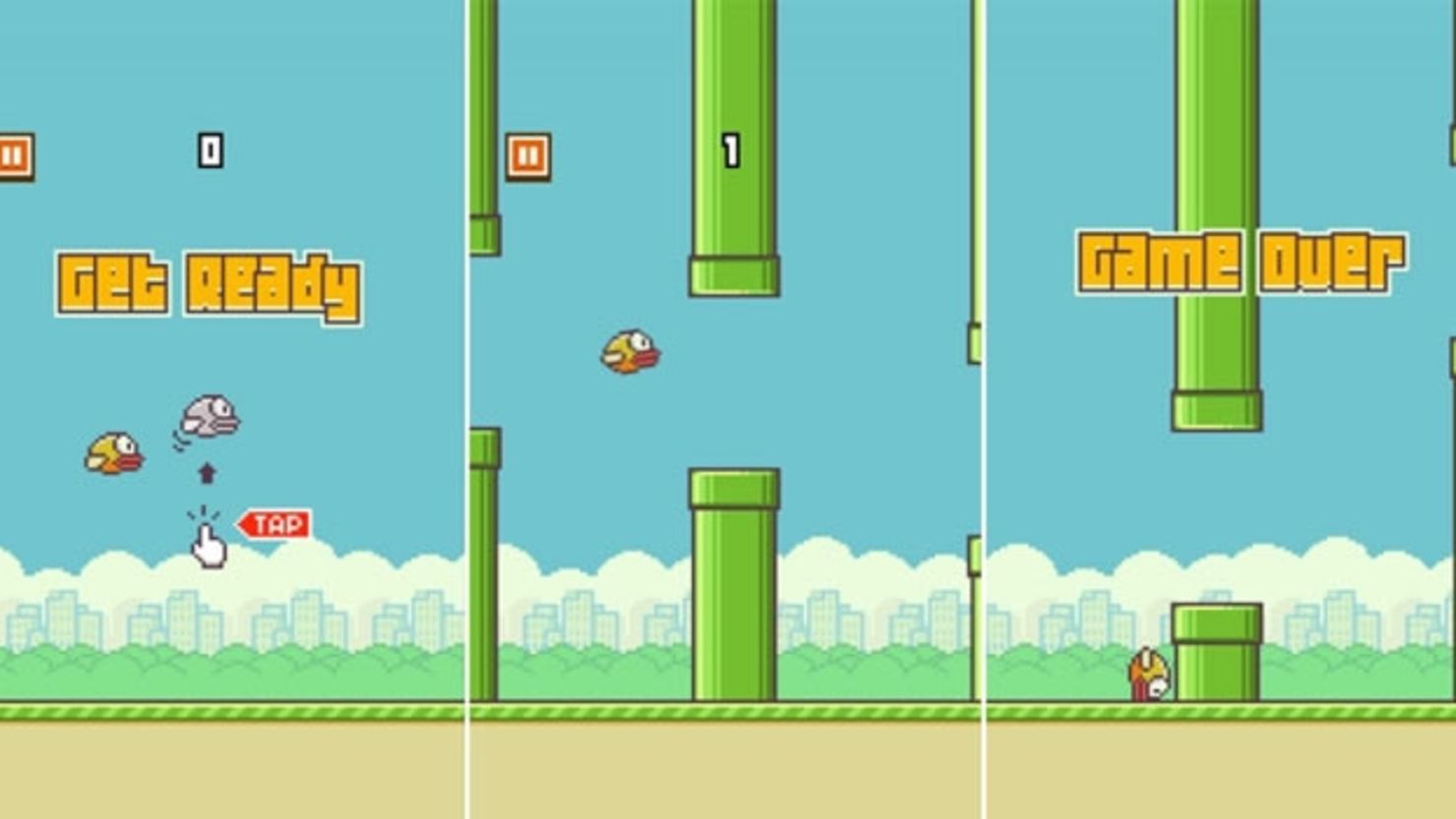
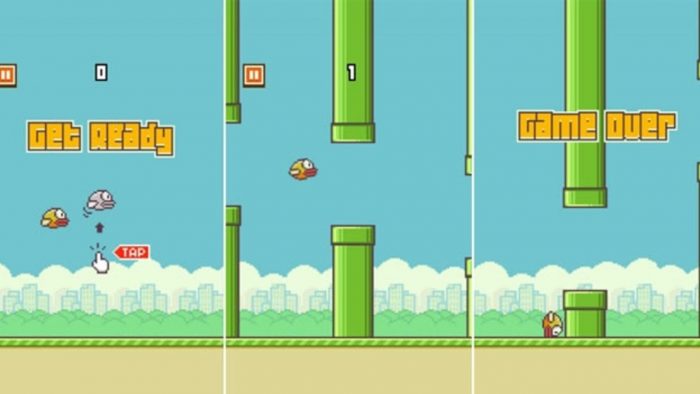
When it first appeared, nobody expected a tiny pixelated bird to dominate conversations worldwide. The graphics were nothing flashy — retro visuals that felt like a throwback to the NES era, paired with those dreaded green pipes that haunted our dreams.
But the real hook? Its brutal simplicity. One tap to go up, no tap and you fall. Tap too hard, and you slam into the top. It was the definition of “easy to learn, impossible to master,” and that mix of frustration and determination kept us coming back.
A Real Gameplay Experience
I still remember my first run: score of 1. Pathetic, but also hilarious. That failure only fueled my obsession. I’d sit on the couch, repeating “just one more try” for what felt like hours. The funniest moment? I was so nervous during a good run that my hands literally shook, and somehow, I made it past 30 pipes. For me, that felt like winning the Olympics.
My biggest tip? Don’t chase perfection too hard. The more relaxed you are, the longer you’ll last. Flappy Bird is less about control and more about rhythm.
FAQ
How to play Flappy Bird on PC?Although the original isn’t available, you can find browser-based versions and emulators that bring the experience back. Just be cautious where you download from.
Is Flappy Bird still available to download?No — the creator pulled it from app stores in 2014. But countless clones and fan-made versions exist to keep the spirit alive.
Is Flappy Bird suitable for kids?Yes. It’s family-friendly in content, though the frustration factor might be intense even for adults.
Closing Thoughts
Flappy Bird was more than just a game; it was a shared moment of laughter, rage, and friendly competition. It proved that innovation doesn’t always mean complexity — sometimes, the simplest ideas have the deepest impact.